
45 min read
Few people are more trusted than the healthcare workers who care for our children. When a child is sick, frightened, or fighting for their life, parents place an extraordinary amount of faith in the doctors and nurses standing beside their hospital bed. We trust that every medication is administered with care, every decision is made in the patient's best interest, and that those wearing scrubs are there to help.
In the early 1980s, a series of unexplained medical emergencies and deaths began occurring among children in hospitals and clinics across Texas. At the center of the growing suspicions was Genene Jones, a licensed vocational nurse who, on the surface, appeared devoted to her patients. To grieving families, she often seemed compassionate and attentive. To many of her coworkers, she was experienced, skilled, and willing to take on the most difficult cases. However, behind this facade lurked one of the most disturbing cases of a medical serial killer in American history.
Much of the information about this case comes from "The Death Shift," written by journalist Peter Elkind. His extensive investigation remains the definitive account of the events surrounding Genene Jones. Elkind spent years researching the case and even interviewed Genene in prison during the 1980s. His work, along with court records, news reports, and other sources, helps provide a detailed picture of how warning signs were missed, how suspicions were ignored, and how a nurse suspected of harming children was able to continue working long after concerns had been raised.
Intro
One morning in October 1981, after finishing an overnight shift in the pediatric ICU at Bexar County Hospital, Suzanna Maldonado, 25, went to speak with her supervisor, head nurse Pat Belko. Belko wasn’t particularly fond of Maldonado and was even less receptive when she heard her concerns. Maldonado explained that too many children were dying in the ICU, deaths that didn’t make sense medically. What stood out most was that these incidents kept happening during the same shift—the 3 to 11 p.m. shift—and seemed to occur when one specific nurse, Genene Jones, was on duty. Belko was already aware that rumors had been circulating among the staff, but she had dismissed them as harmful gossip. She warned Maldonado not to make such serious accusations. Still, Maldonado pressed on. She had gone through the ICU’s census records, tracking patient conditions, sudden emergencies, and deaths by shift. The pattern was undeniable and it didn’t look right.
After Maldonado left, Belko reviewed the census book herself and confirmed that Maldonado’s findings were accurate. She then spoke with Dr. James Robotham, the unit’s medical director, and the two agreed that the situation warranted an investigation. Soon after, the hospital quietly began looking into the possibility that one of their own nurses might be harming patients. Meanwhile, the unexplained medical emergencies continued. Again and again, these incidents occurred during the same evening shift, and often when Genene Jones was working.
Childhood
Genene Jones was born on July 13, 1950, and was adopted by Richard "Dick" and Gladys Jones. The couple had previously adopted three other children: Lisa in 1943, Wiley in 1946, and Travis in 1952. Dick owned a popular diner club in San Antonio called the Kit Kat Klub, renowned for its excellent food and sophisticated atmosphere. I know what you're thinking, the initials KKK for a club in the 40's is absolutely crazy. But according to locals, Dick was just as reputable as the club itself, often giving extravagant gifts to his employees and generously helping even the most casual acquaintances in need. The Jones family lived in a lavish two-story home perched on a hill, spanning eight acres and overlooking downtown San Antonio. Their property included a pool, a tennis court, and a horse stall. Dick bought the family Cadillacs, Gladys dressed in designer clothes, and the children all took piano lessons on the grand piano in their living room. However, by the late 1950s, nightclubs were becoming less popular, and Dick struggled to maintain revenue. He fought hard to keep his business running. He even added a swimming pool in an effort to attract more family clientele. Still, the Kit Kat was losing money, and he fell behind on property taxes.
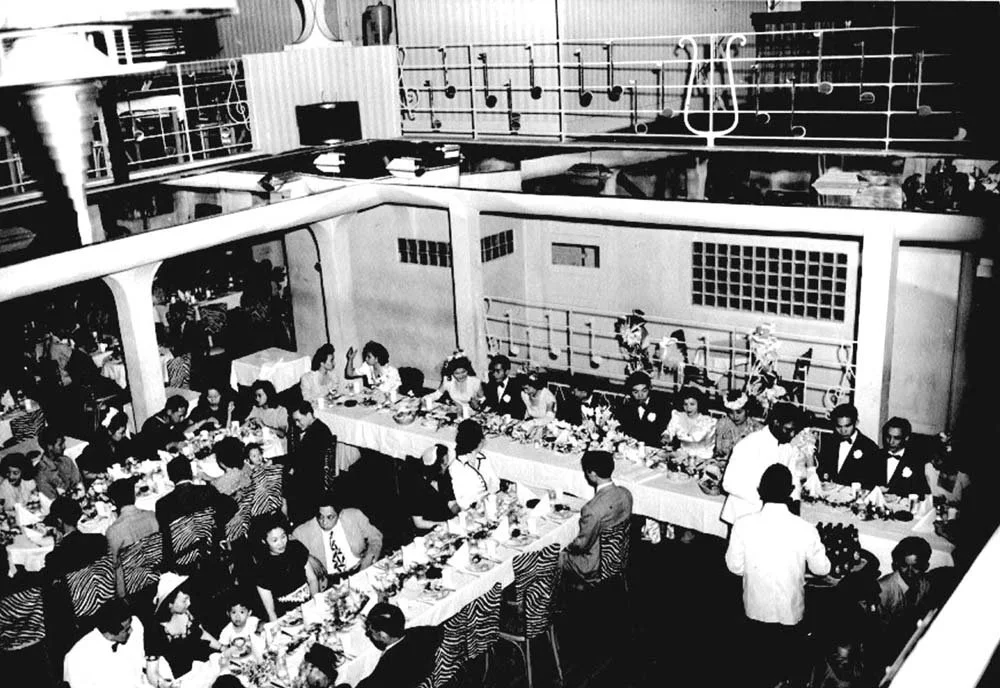
Kit Kat Klub
Source: San Antonio Express
In 1963, Dick sold the Kit Kat Klub and founded Dick Jones Outdoor Advertising, a company that rented billboards and placed ads on bus benches. He operated the advertising business from a shop behind his home, and it wasn't long before his sons, Wiley and Travis, began to help with the work. On the afternoon of November 10, 1966, Travis, who was 14 years old, was in the shop tinkering with a pipe bomb when it exploded, injuring him severely. A metal piece from the pipe pierced his skull and shattered his hand and forearm. Tragically, he died at Methodist Hospital just before midnight. Genene, Travis's 16-year-old sister, took his death especially hard as they were very close. She was devastated, shrieking and sobbing at his funeral. Yet just a few hours later, she returned to school and seemed engrossed in the sympathy from her peers.
The Jones family portrayed their daughter as a gifted child with remarkable abilities; Genene could crochet, sew, bake, and play the piano. She was intense, assertive, and talented. Genene's mother, Gladys, mentioned that her daughter was the type of child who would burst into tears if someone looked at her the wrong way. After attending Catholic elementary schools, Genene enrolled at John Marshall High School in 1965, where she worked in the library. Later in life, the head librarian recalled her as extremely bossy and said that Genene believed she ran the library. Her classmates described her as unpopular, plain, and often jealous of others. Genene herself described feeling like the black sheep of the family. She often felt unwanted and unloved, claiming that her parents favored her older sister, Lisa, over her.
Genene craved attention and often resorted to lies and drama to remain in the spotlight. She once told her friend that her parents adopted all her other siblings, but refused to adopt her because they didn't love her enough. As she got older and Lisa moved out of the house, Genene's conflicts with her mother increased. She reportedly grew closer to her father after her brother's death, spending afternoons helping him paint, putting up billboards, and playing pool. In October 1997, during Genene's senior year, Dick was diagnosed with terminal cancer. He passed away on January 3, 1998, at the age of 56. Genene claimed that after her father's death, her world went dark. However, just days later, she began talking about marrying her boyfriend, Jimmy DeLany. Gladys, her mother, told Genene that she needed to graduate and get her diploma before she would allow her to marry.
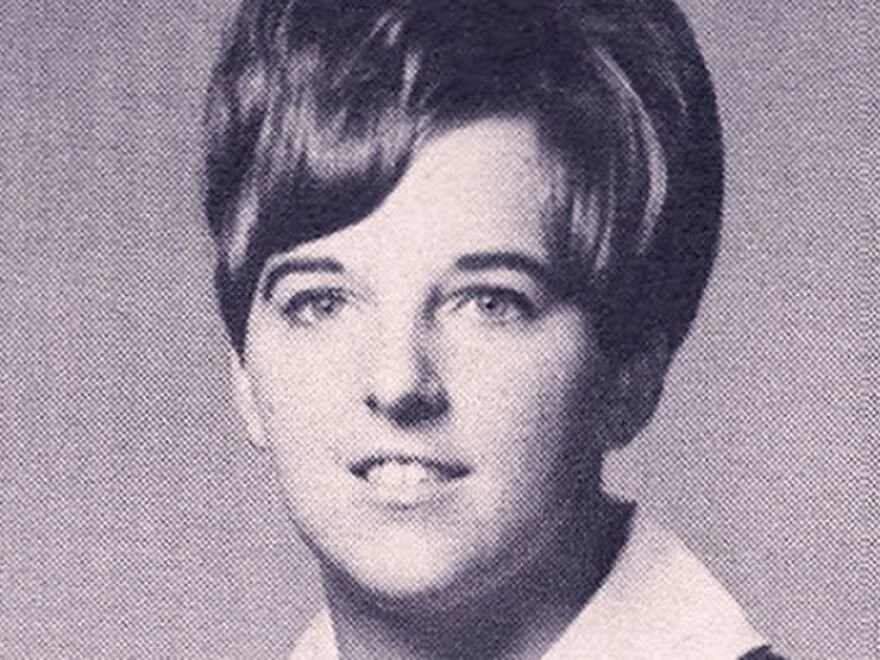
Genene Jones Senior class photo Marshall High School
Source: Texas Public Radio
Genene Jones and James Harvey DeLany Jr. were married on June 15, 1968. Jimmy was a loser; he dropped out of high school halfway through his senior year and worked sporadically at gas stations and as a mechanic. The couple often had public arguments over their finances, which made their friends uncomfortable. Seven months after their marriage, Jimmy enlisted in the Navy. When he returned home from boot camp, he discovered that Genene had been cheating on him and bragging about it to their friends. Despite this, he forgave her and returned to his military duties. In 1970, Genene enrolled at Mim's Classic Beauty College to become a beautician. After graduating, she joined Jimmy, who was stationed in Albany, Georgia. The Navy discharged Jimmy on September 29, 1971, and around this time, Genene learned she was pregnant.
Genene gave birth to Richard Delaney on January 29, 1972, naming him after her father. Despite the arrival of their baby, Genene and Jimmy continued to face significant marital troubles. That spring, while on a ski boat with friends at Kinchafoonee Creek near Albany, they were involved in an accident. As they approached a bend, their boat collided with a smaller vessel coming from the opposite direction. The occupants of the smaller boat, including a 15-year-old boy, drowned in the incident. Genene emerged unharmed, but Jimmy sustained a broken rib and lacerations on his head, requiring hospitalization. He was still recovering when, one afternoon in May, he returned home to find that Genene and their four-month-old son were gone.
Genene moved back to Texas and filed for divorce on August 10, 1972, claiming that her husband had been abusive and had hit her on several occasions. She obtained a court order prohibiting Jimmy, who had returned to San Antonio, from seeing their son. However, two months later, the couple reconciled, and the judge dismissed the case. Genene then began working at the beauty parlor in the Methodist Hospital, while Jimmy found a job as a mechanic. In February 1974, after Jimmy lost his job, Genene moved into her own apartment and filed for divorce a month later. Their marriage was officially dissolved on June 3, 1974. Although Jimmy fought for visitation rights in court, he made no effort to visit his son. Overwhelmed by being a single mother at 23, Genene asked her mother, Gladys, for help caring for Richard.
On September 27, 1974, Wiley, Genene's older brother, passed away from testicular cancer at the age of 28. Following his death, Genene began to develop hypochondriac tendencies and became increasingly worried about her health. Because both her father and brother had died from cancer, she convinced herself that a rash she had recently developed was a sign of skin cancer. A doctor ordered tests and informed her that the rash was actually a skin allergy related to the chemicals in the salon where she worked, advising her that she could resolve the issue simply by wearing gloves. Instead of following this advice, Genene quit her job. Claiming to others that her dermatologist had warned her she would lose her hands if she didn't quit. Genene's sister, Lisa, recalled that Genene soon started to self-diagnose others with severe conditions whenever they complained of feeling unwell. For instance, if someone lost their voice due to a sore throat, she would suspect throat cancer. If one of Lisa's children had an earache, Genene would worry it might be a brain tumor.
Genene's obsession with her health and her job at the beauty parlor at Methodist Hospital sparked her interest in medicine. In June 1976, she enrolled in a licensed vocational nursing (LVN) program in San Antonio. During her training, Genene discovered she was pregnant again and told her friends that the father of the child was Jimmy, claiming the baby was conceived during a brief reconciliation. However, Gladys despised Jimmy, so Genene told her that the father was Keith Martin, a beauty supply salesman who had died in a car accident. The issue with Genene's story was that Keith was actually gay and very much alive. Genene graduated on May 20, 1977, receiving honors and scoring 200 points above the passing grade to obtain her LVN license. She gave birth to her daughter, Crystal, on July 17, 1977.
After recovering from the birth of her second child, Genene started working at Methodist Hospital in September 1977. She was scheduled for the 3 to 11 pm shift and assigned to the cardiac intensive care unit. However, on April 26, 1978, she was dismissed for improper or unprofessional conduct while on duty. Hospital records indicate that Genene had an argument with a patient, causing significant distress. On May 15, she began working in the obstetrics-gynecology ward at Community Hospital, a smaller private facility. Genene was forced to resign on October 16 after undergoing a hysterectomy, as she had no available sick leave. At that time, due to a nursing shortage, her background was not thoroughly checked, and it went unnoticed that she was already searching for her third job within a year.
Bexar County Hospital
On October 30, 1978, Genene began working in the pediatric intensive care unit (PICU) at Bexar County Hospital. She described her emotions of being in the ICU as “stark, raving fear.” Cheryl Pendergraft, RN, supervised Genene's orientation. In an interview, Pendergraft recalled that on Genene's first or second night of duty, a six-day-old premature infant diagnosed with a often-fatal disease called necrotizing enterocolitis was admitted to the ICU after undergoing surgery. The hospital staff was aware that the baby's chances of survival were slim. Genene provided care for the infant for a few hours, but then experienced a significant emotional breakdown when the baby died. She sobbed deeply and sat in a corner of the room in a rocking chair with the baby for hours. Pendergraft found it extremely unusual that Genene would react this way to a premature baby she had not known long enough to form an emotional attachment.
During her training, Genene became skilled at starting intravenous lines, particularly in infants. This task required significant finesse due to the small size of pediatric patients' veins. Nurses began to request her assistance outside of her unit to initiate IVs for them. Her natural talent impressed her superiors, including the head nurse, Pat Belko. Genene initially worked the 11 pm to 7 am shift in the PICU for three months before transitioning to the 3 pm to 11 pm shift, and often volunteered for additional shifts. In an evaluation, Belko noted that Genene had adjusted well to working with pediatric patients and demonstrated loyalty to the PICU. However, she also mentioned that Genene could become an even better nurse by improving her ability to maintain emotional control. Despite the praise, there were eight write-ups for errors within her first year.
On August 11, 1979, Genene completed two back-to-back shifts caring for a trauma patient. Her supervisor, Cherlyn Pendergraft, ordered Genene to leave at the end of her shift. But for over an hour, Genene refused to exit the PICU. Pendergraft then contacted the nursing house supervisor, who intervened, insisting that Genene go home and get some rest. Angrily, Genene stormed out of the hospital, shouting profanities. Less than two months later, on September 29, another incident occurred. At 5 am, Genene unexpectedly arrived in the PICU after working the 3 pm to 11 pm shift. She went to the room of a patient she had been treating and was seen holding a syringe and tampering with the child's medical equipment. Doctors and nurses detected the smell of alcohol on her breath and ordered her to leave. Pat Belko wrote a report on the incident and noted that Genene could have faced suspension or termination for appearing under the influence of alcohol. However, due to her positive contributions to the unit, Genene received a final written warning rather than harsher consequences. Other nurses were astonished at her ability to avoid punishment. At the end of the year, Belko's report praised Genene for her dedication to the PICU and the voluntary overtime she worked during a severe staffing shortage.
In the spring of 1980, Dr. James Robotham joined the PICU as its medical director. He initially had a very positive impression of Genene. She appeared structured, and he respected LVNs. They developed a rapport, and he even told Belko that he considered Genene the best nurse in the PICU. Parents viewed Genene as a godsend. She was known for having long, private conversations with her patients' families, and they found her a comforting presence. However, Genene's behavior around her colleagues was quite different. She often came across as crude and unprofessional. She relentlessly questioned doctors and acted bossy, making decisions she had no authority to make. Several residents complained that she was drawing up medications without proper orders to administer them. Genene frequently created unnecessary drama by claiming that patients were in danger of dying, which led to staff being called into rooms for supposed emergencies. Doctors at Bexar Hospital described her as "a pain in the ass."
Since starting her nursing career, Genene had been living with her mother, Gladys, who provided significant support by caring for her children. Gladys looked after them far more than a typical 40-hour workweek would suggest. Genene often picked up extra shifts, leaving for work early and returning home late. While her three-year-old daughter, Crystal, was manageable, her almost nine-year-old son, Richard, was rowdy and disobedient. Feeling frustrated and powerless over Richard's behavior, Genene began taking him to a counselor. In November 1980, Genene moved into her own apartment but continued to leave her children with Gladys most of the time.
In a hospital, a severe medical emergency is called a "code blue." This typically starts when a nurse notices that a child's breathing or heartbeat has stopped. The nurse would call out to the nursing station in the center of the PICU, and the nearest staff member would press a button that alerts the entire floor. During a code blue, a crash cart equipped with life-saving equipment is rushed to the patient's side, while medications are administered, and CPR is performed. Unfortunately, most children who experience a code blue do not survive.
By early 1981, Genene insisted on being assigned to the sickest children. If she were assigned to a patient whose case she found too mundane, she would refuse to provide care. Genene sought out patients at higher risk of coding. Even if the children were not her patients, she would always be present, seemingly thriving on the chaos and fear. When a child did not survive, Genene would begin to sob and cradle the lifeless body in her arms before voluntarily carrying it down to the morgue.
Due to the ongoing nursing shortage, the PICU frequently struggled to have an experienced RN available to serve as the charge nurse. To address the staffing needs, Pat Belko had to hire newly graduated RNs and nurses from temp agencies. As a result, Genene was tasked with training the new RNs. Initially, the new nurses didn't mind her taking on this role, as the PICU was very intimidating for them and they lacked the necessary skills. Genene seemed eager and helpful at first; however, as the nurses spent more time with her, they became put off by her abrasive demeanor. As they gained knowledge and became less reliant on Genene, she grew resentful. She felt entitled to much more recognition than she had truly earned, a sentiment that had characterized her throughout her life.
Genene frequently claimed various illnesses. During her first 27 months of employment, she made 30 visits to outpatient clinics and emergency rooms. She managed to convince others that she was genuinely ill, at least for a time. Her symptoms included diarrhea, vomiting, constipation, chest pains, irregular menstrual bleeding, neck and back pain, and blurred vision, among others. For a while, Genene seemed to enjoy the attention she received for inventing imaginary medical issues for herself and others. However, it wasn't long before that attention was no longer enough. In the following months, PICU began to encounter unforeseen emergencies, and stable children were suddenly dying from inexplicable complications.
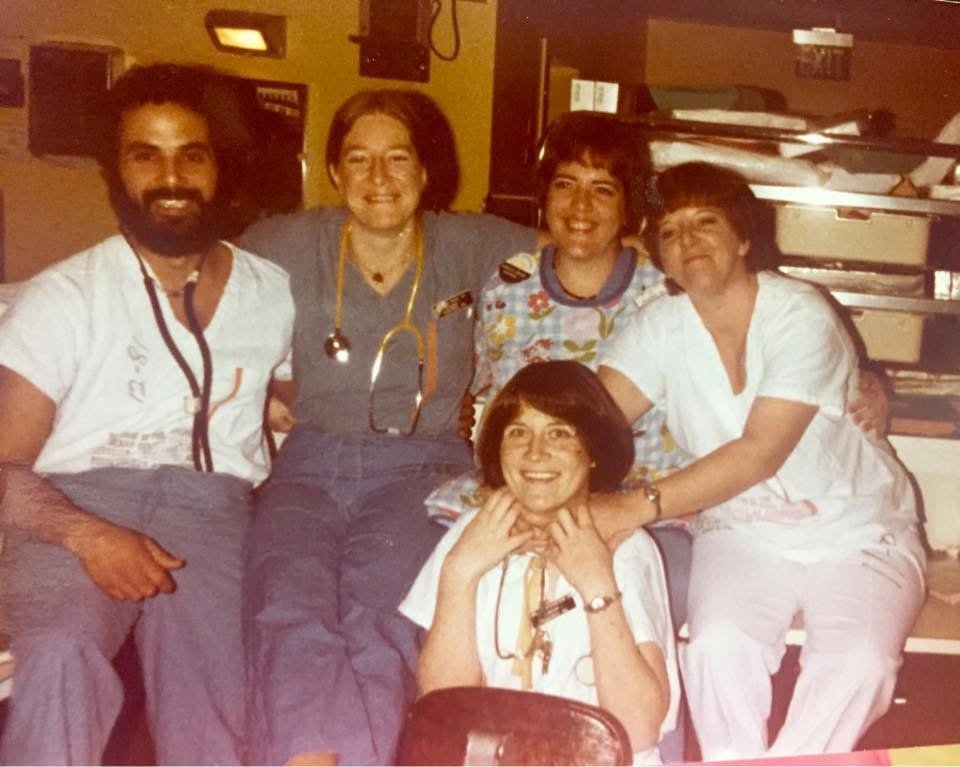
Genene Jones with coworkers
Source: Personal picture/Bert Richardson
Victims
In early May 1981, Diana and Crecencio Hogeda, Jr. received a call from Genene informing them that their son, Christopher, had died. Chris was born with a severe heart defect and had been admitted to the hospital in December 1980 due to pneumonia and diarrhea. The Hogeda family lived in San Angelo, a town about 200 miles to the west, and had taken Chris to Bexar County to ensure he received the best possible medical care. When they arrived at the hospital, they were shocked to discover that Chris was still alive. When they asked about Genene Jones, the nurses said her shift had ended. Over the following weeks, Chris's condition continued to decline, and he experienced episodes of irregular heartbeat. On May 15, Genene rushed out of Chris's room, saying she had left the bed rails down and that he had rolled out of bed. When she returned, she found him dangling from his bed, suspended by the respirator tubing. Chris died of cardiac arrest a week later while under Genene's care; he was less than a year old. She held his lifeless body for more than an hour, referring to him as "her boy." Around this time, Genene also stopped attending counseling sessions with her son, Richard.
Terry Lynn Garcia was admitted to the PICU at three weeks old due to diarrhea, vomiting, and a fever. On the night of her admission, she experienced three episodes of bradycardia, which is an abnormally slow heartbeat, before her heart stopped completely. Although she was revived, she went into cardiac arrest the following evening. It required medication, two electric shocks, and ninety minutes of CPR to bring her back to life. The next day, Terry began to bleed, and her blood pressure dropped. Terry passed away on August 11 at 6:15 pm after suffering two more cardiac arrests.
Patricia Sambrano, who was three months old, was admitted to the PICU at 7 pm on August 13. She had experienced seizures following a routine vaccination. After her admission, she was placed on a respirator and was under the care of Genene. That evening, Patricia suffered a cardiac arrest, but doctors were able to revive her. Nurses on the subsequent two shifts reported that she was stable. However, when Genene returned for her shift at 5:30 pm, she noted that Patricia's seizures were worsening. Patricia experienced three cardiac arrests and passed away at 9:36 pm on August 14.
Paul Villarreal, four months old, underwent an elective procedure on his skull and was taken to the PICU for recovery in September. The day after his surgery, he was placed on a respirator due to a seizure. The following night, blood began pouring from every orifice of his body, and he went into cardiac arrest, passing away at 8:30 pm. Lab tests revealed that Paul's bleeding was caused by issues with his clotting mechanism.
Rosemary Vega, a two-year-old, was admitted to the PICU to recover from routine heart surgery. Her mother, Rosemary Cantu, was 18 years old and worked as a housekeeper at Bexar County Hospital. During the 3 to 11 pm shift when Genene was on duty, Rosemary began experiencing seizures and had difficulty breathing, which led to her being placed on a respirator. At 2:15 pm, a surgery resident noticed that someone had altered the breathing machine, resulting in Rosemary receiving insufficient oxygen. Although she seemed to stabilize over the next day, at 5:30 pm, again during Genene's shift, Rosemary experienced three cardiac arrests and passed away at 7:52 pm on September 16. Cantu later testified that she witnessed Genene inject something into her daughter's IV shortly before the cardiac arrests began. "Everything was good," Cantu recalled. "I was sitting by her bed after the surgery when Genene Jones came on shift in the afternoon, and that's when it all happened. She walked in with the injection," Cantu said. "I saw her and asked, 'What are you doing? What are you going to give her?' The other nurse had just left after taking all of Rosemary's vital signs. Genene said, 'I'm giving her something to help your baby rest.' After she walked out, not two minutes later, my daughter started turning purple. The monitors went off, and people started running. She was doing well until Genene injected her. Then she went into code blue."
Placida Ybarra, a four-month-old infant, was admitted to the PICU due to heart failure. At 7:20 pm on the day of her admission, her respirator was found delivering 100% oxygen, which is a dangerously high concentration. On the fifth day in the ICU, Placida's body became limp, and she experienced tachycardia, an abnormally fast heart rate. She passed away at 10:24 pm.
Jose Flores, six months old, was admitted to the PICU on October 6 due to a common set of issues: fever, vomiting, diarrhea, and dehydration. On the third day in the hospital, he experienced a seizure. He was taken for a brain scan accompanied by Genene. While waiting for the scan, Jose went into cardiac arrest. The doctors revived him, and he was returned to the PICU, where they discovered blood pooling beneath his body. Blood tests revealed that Jose's clotting mechanism was not functioning properly. Although the clotting issue resolved overnight, the following day, he suffered more seizures and bleeding, ultimately passing away at 5:22 pm on October 10. When the Flores family received the news of Jose's death, Genene allowed the baby's brother to carry his body to the morgue. However, out of nowhere, Genene seemingly changed her mind, snatched the dead baby from his brother's arms, and rushed down the hallway with the family in pursuit. Albert Garza, three months old, had Down's syndrome and was admitted on October 15 for dehydration, diarrhea, and acidosis. During the 3–11 pm shift, Albert started having unexplained bleeding episodes. A resident noticed that Genene was preparing to give the child 333 units of heparin. This anticoagulant is administered hourly in small doses to prevent clotting of IV and arterial lines. The proper dosage was less than one. The incident was reported, and a hard watch was placed on drugs after that. Each nurse was instructed that a second nurse would need to supervise them when preparing medications and that they must initial the medication bottle.
In the PICU, it was typical to have three or four resuscitations each month. However, there were nine in August and thirteen in September. Even more concerning was the trend: all these events occurred during the 3–11 pm shift. As rumors began to circulate among the staff, Genene's colleagues started referring to her shift as the "Death Shift." Whenever higher-ups were informed of the situation, they assessed it, concluded that no action was necessary on their part, and then escalated the issue to the next person in authority. Despite the increasing suspicions, most people attributed the incidents to bad luck, believing that no nurse or doctor would intentionally harm a patient, especially a child. Without concrete evidence, any suggestion of an investigation into Genene Jones would appear to be a witch hunt, and the hospital could end up in a lawsuit.
Joshua Sawyer was eleven months old when he suffered severe smoke inhalation after being rescued from a fire. He was transferred from another hospital on December 8 and had already experienced a seizure and cardiac arrest. At that time, Joshua was in a coma, and his condition was critical; however, a brain scan indicated signs of recovery. To prevent further seizures, doctors administered sedative drugs, including Dilantin and phenobarbital. By December 11, Joshua's condition had improved enough to be removed from the respirator. Although he remained in a coma, he was no longer experiencing seizures. At 3 pm, Genene took over his care, and by 7 pm, the baby's heart went into tachycardia. The following day, at 9:22 pm, Joshua suffered two cardiac arrests and died while in Genene's care. A blood sample was taken and sent to the lab for analysis. The results revealed alarming levels of Dilantin: normal levels range from 10 to 20, but Joshua's sample showed a toxic level of 59.6. Unfortunately, this information arrived too late to make a difference.
Dr. Robotham instructed the nurses to notify him immediately of any code blues, and Genene began to notice a change in his attitude toward her. She threatened to sue the hospital, claiming to possess a "little black book," which did not actually exist. Genene asserted that she had documented the names of every child who had died and the doctor responsible for each death. Around mid-December, Dr. Robotham was put on a one-month leave of absence after the chairman of the pediatric unit expressed concerns that he was becoming obsessed with Genene. Additionally, another crucial piece of evidence had been overlooked amid the chaos. Since early 1981, Patricia Lopez had reported missing supplies from the PICU. Lopez was tasked with equipping the unit's crash cart and checking supplies on a daily basis. On ten occasions, she found the crash cart open during the 3-11 pm shift when no code had occurred. Each time, the same supplies were missing: a tourniquet, gauze pads, several syringes, and a 10,000-unit bottle of heparin. Although she reported these incidents to her supervisors, they instructed Lopez to simply continue replacing the missing supplies.
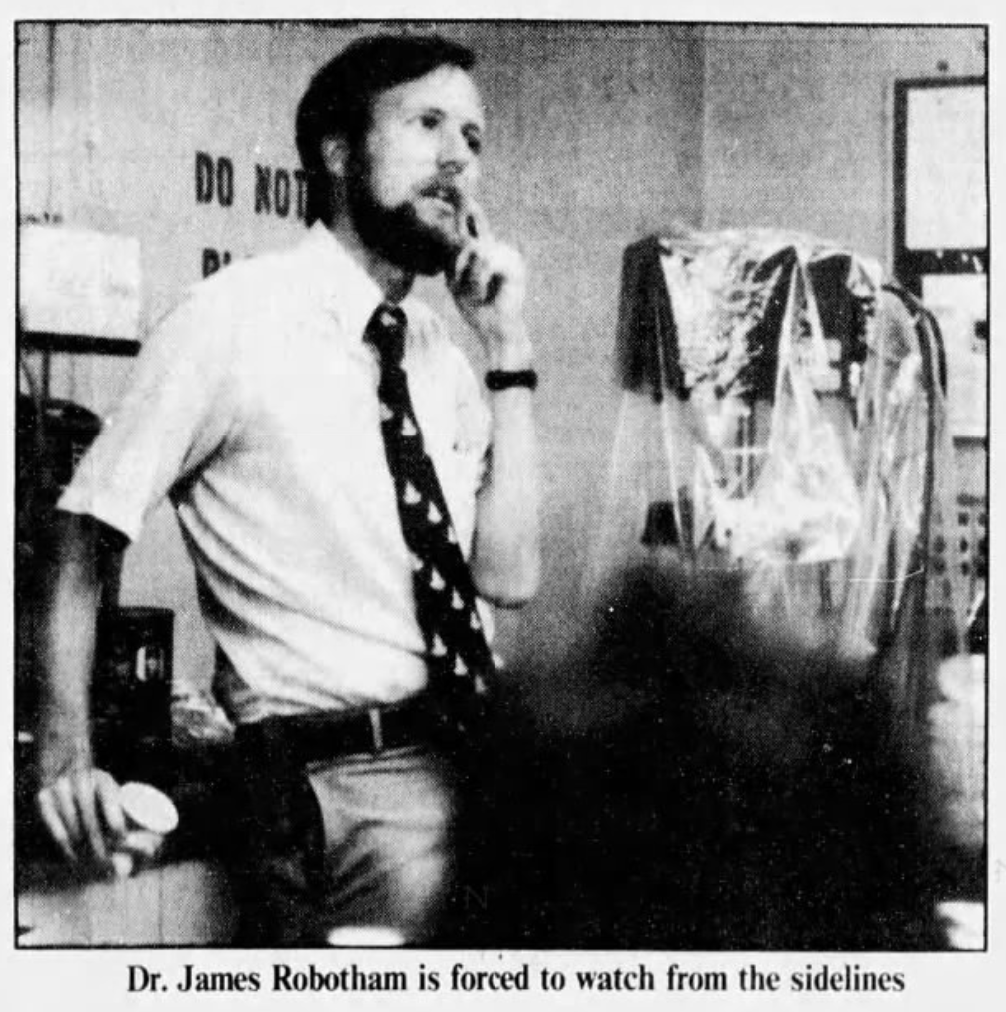
Dr. James Robotham
Source: The Death Shift by Peter Elkind
Doraelia Rios, a two-year-old girl, had been hospitalized multiple times in the past for surgeries related to her digestive tract. She was admitted to the PICU on December 21, suffering from diarrhea and dehydration. Doctors provided her with fluids and antibiotics to combat the infection. Unfortunately, she passed away from cardiac arrest at 8:12 pm the following day while under the care of Genene. Genene wrote a creepy note in her charts, which read, "A legend in her own time. Merry Christmas, Dora. I love you. Jones, LVN."
Ronaldo Santos, who was one month old, entered the ICU on December 27 due to pneumonia. His case was predictable, and his condition showed signs of improvement in the first two days. However, on December 29, during the 3–11 pm shift, he began seizing. Two hours later, his heart stopped but was successfully revived. Brain scans and heart tests returned normal results. By January 1, Ronaldo was doing so well that the doctors planned to take him off the respirator. That afternoon, he released an excessive amount of urine, which led to dehydration and a drop in his blood pressure, but he managed to recover. On January 3, nurses noticed that he was oozing blood, and he was given plasma. Then, on January 6 at 7 pm, while Genene was on shift, blood began to seep from Ronaldo's orifices. His blood pressure dropped, and he entered cardiac arrest but was revived once more. A blood sample showed elevated heparin levels. The following day, Dr. Kenneth Copeland ordered the removal of Ronaldo's arterial line to prevent any further heparin administration, recognizing that something was very wrong. Each time Ronaldo's condition improved, a new crisis seemed to arise. On January 9, he started bleeding again. Genene was the first to notice the issue; blood was trickling from old needle puncture sites on his arms, legs, neck, scalp, and even from his eyes, nose, and mouth. His blood pressure dropped, and he fell into a coma. At 7:30 pm, Dr. Copeland decided to administer protamine sulfate, a medication that reverses heparin's effects. By 7:55 pm, after Copeland had pushed several units of protamine, Ronaldo finally stopped bleeding. Dr. Copeland then ordered that Ronaldo be moved out of the PICU to another part of the hospital and asked for a list of everyone who had visited him. Five days later, Ronaldo was well enough to be discharged.
Patrick Zavala, a four-month-old baby, was born with a cardiac defect and was admitted to the PICU on January 14 to recover from open-heart surgery. The surgery went smoothly, and doctors planned to gradually wean him off the respirator by January 17. At 4 pm, Genene, a nurse, reported that the baby appeared lethargic. Patrick's mother had left him sleeping comfortably at 6 pm, but by 6:30 pm, he became unresponsive even to painful stimulations. Genene suggested they do a brain scan and wheeled Patrick downstairs to neurology. While waiting for the machine to warm up, the baby's heart stopped. The neurosurgeons were uncertain about which medications to give to an infant and called for a pediatrician for assistance. When a resident arrived, he found that Genene had already started administering dopamine, a drug that raises blood pressure, without any medical orders. Patrick was revived and taken back to the PICU. Shortly after, he went into a seizure and ultimately died from a cardiac arrest. An autopsy was performed the next morning, but it revealed nothing out of the ordinary.
Chief Surgeon J. Kent Trinkle was concerned about the situation and began questioning the pediatric ICU staff. He had observed Patrick's operation and was shocked by the sudden death. The growing number of infant deaths occurring unexpectedly after what were supposed to be routine surgeries could no longer be ignored. Frustrated, Trinkle threatened to start sending his post-operative patients to the neonatal ICU. On January 25, three months after the initial allegation that a nurse had been killing babies, B.H. Corum, his deputy John Guest, Virginia Mousseau, Medical Dean Marvin Dunn, Robert Franks, and Jim Robotham met for the first time to discuss the issue. Their proposed solution was to secure the heparin supplies under strict supervision. However, they ultimately decided to remain silent and initiate another investigation.
Tensions were high in the PICU, leading nurses and doctors to prepare their own medications and closely monitor their patients throughout the night. On January 23, a two-month-old baby went into respiratory arrest and experienced bradycardia shortly after Genene left the room. A nurse later discovered that the baby's heart monitor had not alerted staff because it had been turned off. In the PICU, monitor alarms were supposed to be set to "on," and nurses were required to document that all alarms were functioning at the beginning and end of each shift. Everyone on staff was aware that Genene was a suspect in an ongoing investigation.
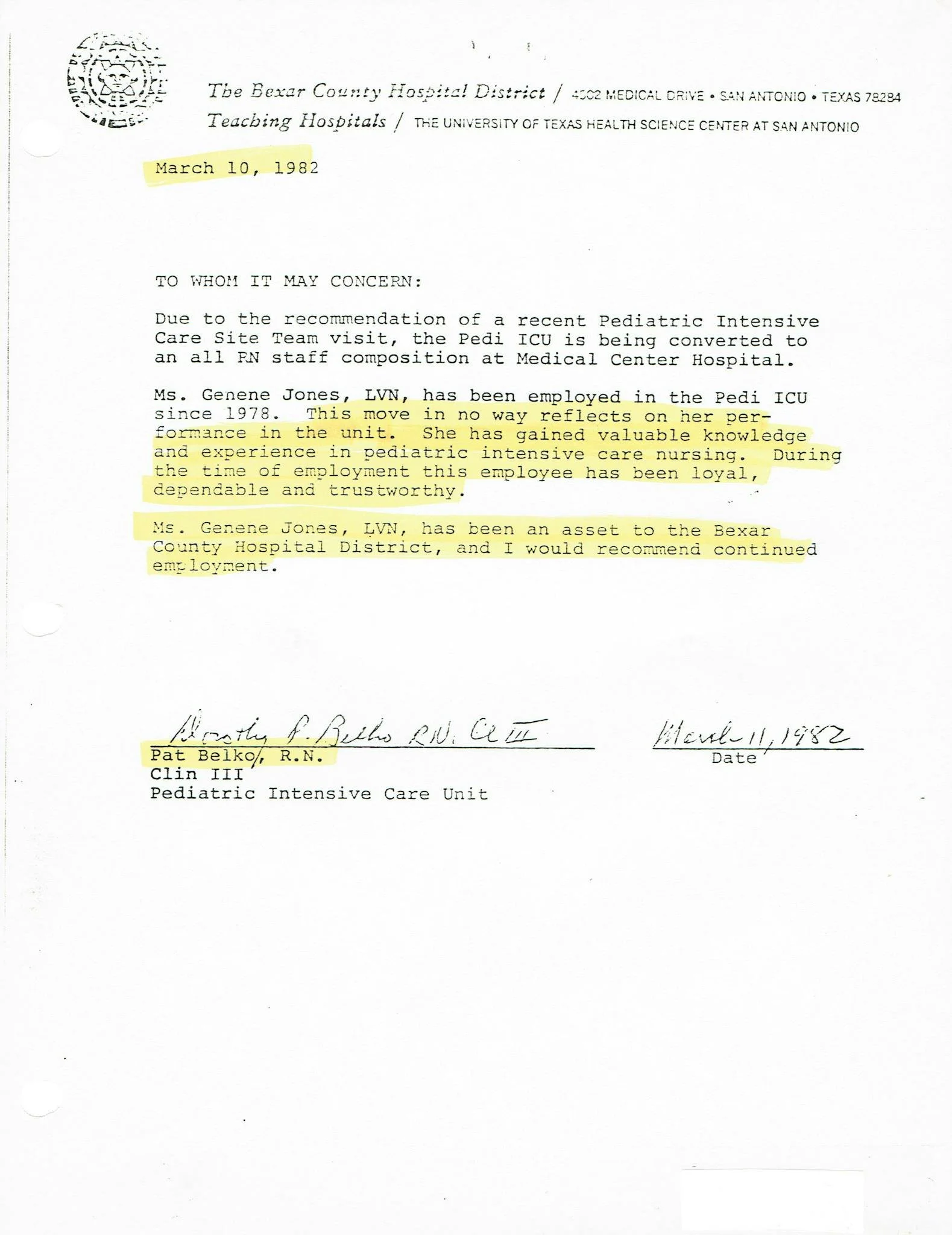
On February 2, Genene wrote a two-page letter to Pat Belko, expressing her anger at being persecuted and stating that she had "had enough." On February 15, 32 people were summoned to discuss Genene Jones. After nearly three days of interviews, the committee decided it was too risky to fire her outright. Instead, they replaced all six LVNs with RNs, effective March 22. The LVNs were all offered other jobs within the hospital, but Genene submitted her resignation on March 17. No further action was taken regarding the possible baby killer. The hospital did not disclose any information about her future employers. Instead, Genene received a letter of recommendation from Pat Belko. After her departure, all the mysterious deaths in the PICU stopped.
Clinic
Kathleen Holland, a third-year pediatric resident at Bexar County Hospital, was opening a new clinic in Kerrville and offered Genene a job. LVNs were more affordable to hire than RNs, and Holland viewed Genene as a skilled, capable nurse who was being unfairly targeted by a male-dominated hierarchy because of her strong personality. Genene turned down the job offer two or three times before finally agreeing. With all the rumors happening in San Antonio, she thought Kerrville sounded peaceful. Needing money until the clinic opened, Genene secured a position at Santa Rosa Medical Center through MedoX in mid-June. However, on July 21, her chart noted that she had not completed any of her required duties and had spent most of her time smoking and playing on the computer. The next day, July 22, Genene decided to quit.
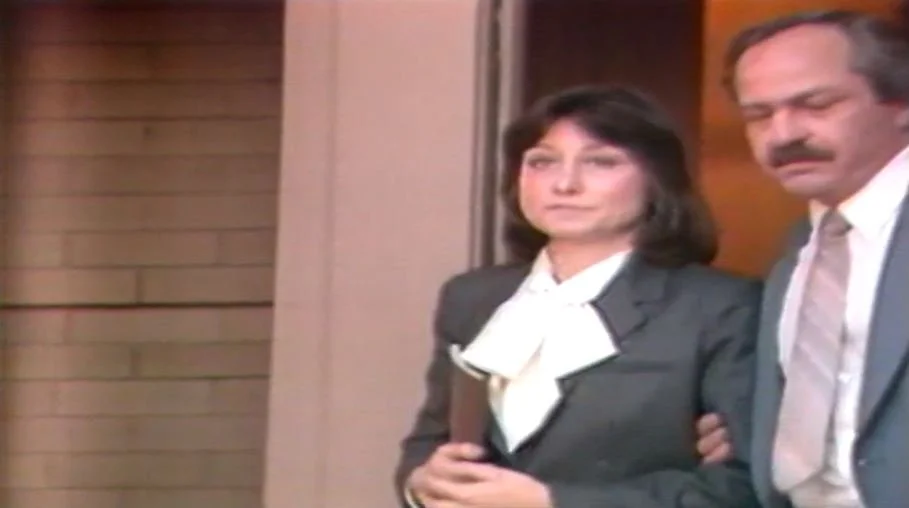
Dr. Kathleen Holland
Source: KENS 5
Dr. Holland asked several nurses and residents at Bexar County whether it was a wise decision to hire Genene. By June 30, 1982, although Robotham had advised her against it, Holland had received multiple positive evaluations on Genene. Reinforcing her belief that, if there had truly been concerns about patient safety, her supervisors would not have provided recommendations or continued to support her employment. On August 3, Genene’s LVN license expired.
After leaving San Antonio, Genene struggled to find a place to live. In response, the ever-generous Kathleen Holland purchased a small house and rented it to her. Holland had married Charleigh Appling on April 17, 1982, and they were building a new home. However, construction delays forced them to make temporary arrangements. Rather than commute daily from San Antonio, where Charleigh still owned a house, Holland decided to stay in the rental home with Genene. Around the same time, Debbie Sultenfuss, an LVN from Bexar County Hospital and a close friend of Genene's, followed her to Kerrville. She began working in the Sid Peterson ICU and often spent her evenings visiting Genene and Holland at the house. Genene came to view Holland as "the big sister I never really had." They shared morning coffee, carpooled to work, and spent evenings playing games after Genene's children went to bed. Over time, their relationship crossed professional boundaries, evolving into something much more personal than the typical doctor-nurse dynamic.
On August 24, 1982, the second day Holland's clinic opened, Petti and Reid McClellan brought their 14-month-old daughter, Chelsea Ann, in due to cold symptoms. Petti and Reid, both with sons from previous marriages, had Chelsea as their only daughter. While Dr. Holland asked Petti about Chelsea's medical history, Genene took Chelsea to another room to play. A few minutes later, Genene started shouting for Chelsea to wake up and called for help. Dr. Holland entered the room to find Genene putting an oxygen mask on Chelsea's face, and her limp body lay on the exam table. They immediately called for an ambulance and started an IV in her scalp as she began seizing. When the ambulance arrived, confusion arose about who was in charge because of Genene's assertiveness. Chelsea spent about ten days recovering in the ICU, though tests showed nothing unusual. The McClellans praised Genene and Holland for saving their daughter and recommended Dr. Holland's clinic to their friends and family.
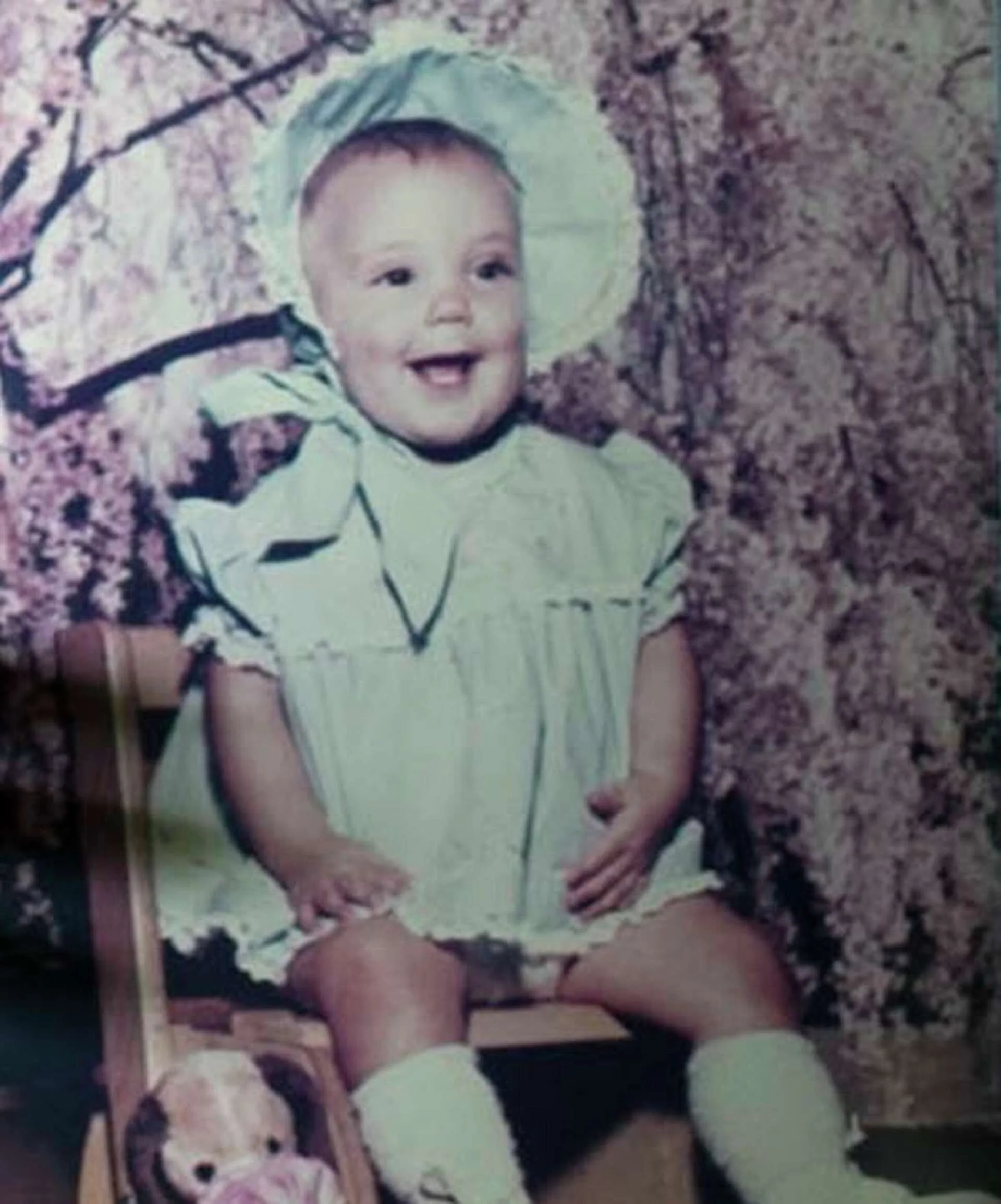
Chelsea McClellan
Source: San Antonio Express News
Brandy Lee Benites, who was one month old, was brought in on August 27 due to blood in her stool and diarrhea. While Dr. Holland was taking her medical history from her parents, Genene took the baby into another room. Moments later, Brandy stopped breathing and had a seizure. She was rushed to the hospital in an ambulance. During the transport, Genene started an IV in Brandy's foot, even though the baby already had an existing IV. A few minutes later, Brandy went limp, and both the paramedics and Genene took turns using a respirator bag to force air into her lungs until they arrived at Santa Rosa Hospital. Brandy remained in the ICU for six days and made a rapid recovery. Doctors noted that it was unclear why she experienced cardiac arrest.
On August 30, Christopher Parker, a four-month-old baby, was brought in due to a condition known as stridor, which is characterized by raspy breathing caused by constricted air passages. Genene examined Chris and noticed that his feet appeared blue. Concerned, she took him to the back for further evaluation. Dr. Holland informed Chris's mother that she wanted him to be transported to the hospital for additional assessments. Throughout the trip, Genene stayed closely by his side, anticipating potential complications. Upon arriving at the hospital, the doctors were puzzled. Though the baby was experiencing some difficulty breathing, his condition did not seem to warrant an emergency response. Shortly after their arrival, Jimmy Pearson, a 7-year-old patient with a complex medical history, was brought in. Jimmy had a seizure disorder, a heart defect, and a hereditary bone condition that stunted his growth. At only twenty-one pounds, he was unable to walk, crawl, or speak. His mother had taken him to the emergency room after he suffered a seizure that caused him to turn blue from a lack of oxygen. It was decided that Jimmy should be transferred by medical helicopter to Santa Rosa Hospital, and Dr. Holland requested that Chris be transported as well.
Genene boarded the flight, and about fifteen minutes later, she pulled out her stethoscope and placed it on Jimmy's chest. She began shouting that he had an irregular heartbeat. The paramedics on the flight were confused; the boy's heart monitor appeared to be normal, and it was impossible to hear a heartbeat over the sound of the helicopter. Genene then took out a syringe and started administering medication through Jimmy's IV. A passenger on the flight yelled at her to stop. A few minutes later, the heart monitor began to alarm. Jimmy turned blue and stopped breathing. The pilot had to make an emergency landing in a cow pasture so the paramedics could insert a breathing tube to establish a clear airway. Jimmy was hospitalized for the next seven weeks and died on October 21. Chris was discharged three days later, perfectly fine.
Misty Reichenau, twenty-one months old, was brought to the clinic on September 3 because she had mouth sores, a fever, and a cold. Earlier that week, she had seen Dr. Duan Packard, a sixty-eight-year-old family practitioner, who prescribed an antibiotic that initially helped clear her infections. However, her mouth sores had worsened. Dr. Packard was leaving town, and he referred the Reichenau family to the new pediatrician in Kerrville, Dr. Holland. Upon arriving at the clinic, Genene and Holland took Misty's vital signs. They noticed that she had difficulty bending her neck, which indicated a potential case of meningitis. Dr. Holland wanted to send Misty to the hospital for testing, which would require a spinal tap. Before that, however, they decided to start an IV to keep her hydrated and to begin blood tests immediately. Misty struggled with the IV insertion, screaming and crying, but then suddenly went silent. "There's something wrong!" her mother, Mrs. Reichenau, shouted. "She's just holding her breath, she's scared," replied Genene. They asked Mrs. Reichenau to leave the room. At that moment, Misty stopped breathing and began to seize. Debbie Sultenfuss, who had stopped by the clinic for lunch, entered the room with a bottle of the muscle relaxant Anectine, claiming that Dr. Holland had requested it. However, Dr. Holland later denied this and instead placed a breathing tube down Misty's throat without using the Anectine. Misty was then transferred by helicopter to Bexar County Hospital, where doctors found no evidence of meningitis, only a severe case of mouth sores. Five days later, she was discharged from the hospital.
On September 11, Genene went to the emergency room because she was experiencing cramps and vomiting blood. She stayed in the hospital until September 16. During her absence, a registered nurse filled in for her at the clinic. There were no cardiac arrests or emergencies while Genene was hospitalized. She returned to work on September 17. On that day, Petti McClellan came to the clinic with her daughter, Chelsea, and her son, Cameron. Initially, Petti had planned to bring Cameron in only because he had the flu. Although Chelsea had been fine since her emergency visit, Dr. Holland wanted her to come in for a checkup. After a quick examination, Dr. Holland decided to give Chelsea her vaccinations. Chelsea sat on Petti's lap while Genene injected the first syringe into her left thigh. Chelsea began to struggle to breathe, and Petti shouted for Genene to stop. Genene responded that Chelsea was simply reacting to the pain of the needle. After administering the second injection into Chelsea's right thigh, the situation worsened: Chelsea completely stopped breathing, turned blue, and began to seize. Chelsea was rushed to the emergency room, where it seemed she was recovering. Dr. Holland informed the McClellans that she wanted to transfer Chelsea to another hospital for further testing. In the ambulance, Chelsea was connected to a heart monitor and was receiving fluids through an IV. She was breathing through a tube attached to a respiratory bag, and Genene and the paramedic took turns pumping oxygen into her. Just eight miles down the road, Chelsea's heart monitor flatlined. After nearly thirty minutes of attempting to resuscitate her, Chelsea tragically died.
Three hours after Chelsea died, Lydia Evans arrived at the clinic with her five-month-old son, Jacob. Lydia's sister, Elizabeth Winn, had suggested that she take Jacob in for his crying spells. Elizabeth had previously taken her child to Dr. Holland and had a great experience. She called the clinic to inform them that her sister's baby was sick and that Lydia would be calling. However, the clinic reached out to Lydia first to set up an appointment. Genene examined Jacob and began listing several issues that Lydia had not noticed before. After leaving the room, Genene returned and explained that she had spoken to Dr. Holland, who was still at Sid Peterson arranging Chelsea's autopsy. Genene wanted Jacob to be transferred to the hospital and had orders to draw blood for tests. She also recommended starting an IV on Jacob, citing that it was a precautionary measure in case he went into a seizure while they were running tests, allowing them to administer medicine immediately. Lydia found this suggestion strange, as Jacob had never had a seizure before. Genene instructed Jacob's family to wait outside while she drew his blood. Lydia heard Jacob scream a few times, and then suddenly it was completely silent. Jacob had stopped breathing, and paramedics had to intubate him while rushing him by ambulance to Sid Peterson. Jacob spent six days recovering in the hospital. Still, extensive testing revealed nothing that could explain the cause of his episode.
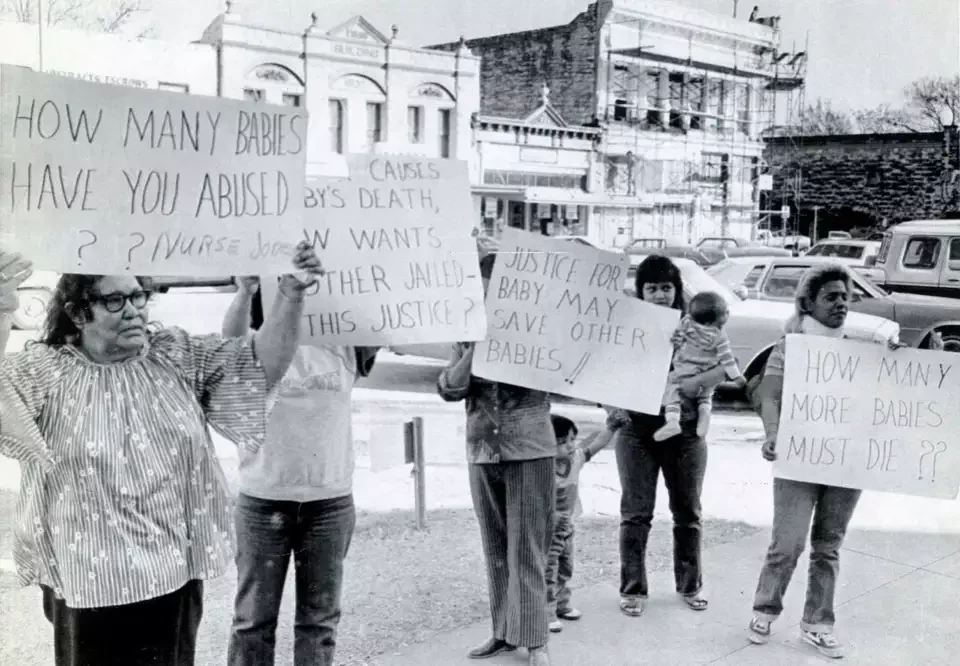
Chelsea McClellan's funeral took place on September 20. Dr. Holland closed the clinic in the afternoon so that she and her staff could attend the service. Petti McClellan, still in a state of catatonic shock, struggled to accept her daughter's death. She repeatedly said that Chelsea was just asleep. When she saw the coffin containing her daughter's body, she collapsed and screamed, "You're killing my baby!" A few days after the funeral, the McClellans placed a two-column advertisement in the Kerrville Daily Times to thank the community for the flowers and cards they received in response to Chelsea's passing. At the end of the message, they expressed special gratitude to Dr. Holland and Genene Jones for their sensitivity while treating Chelsea.
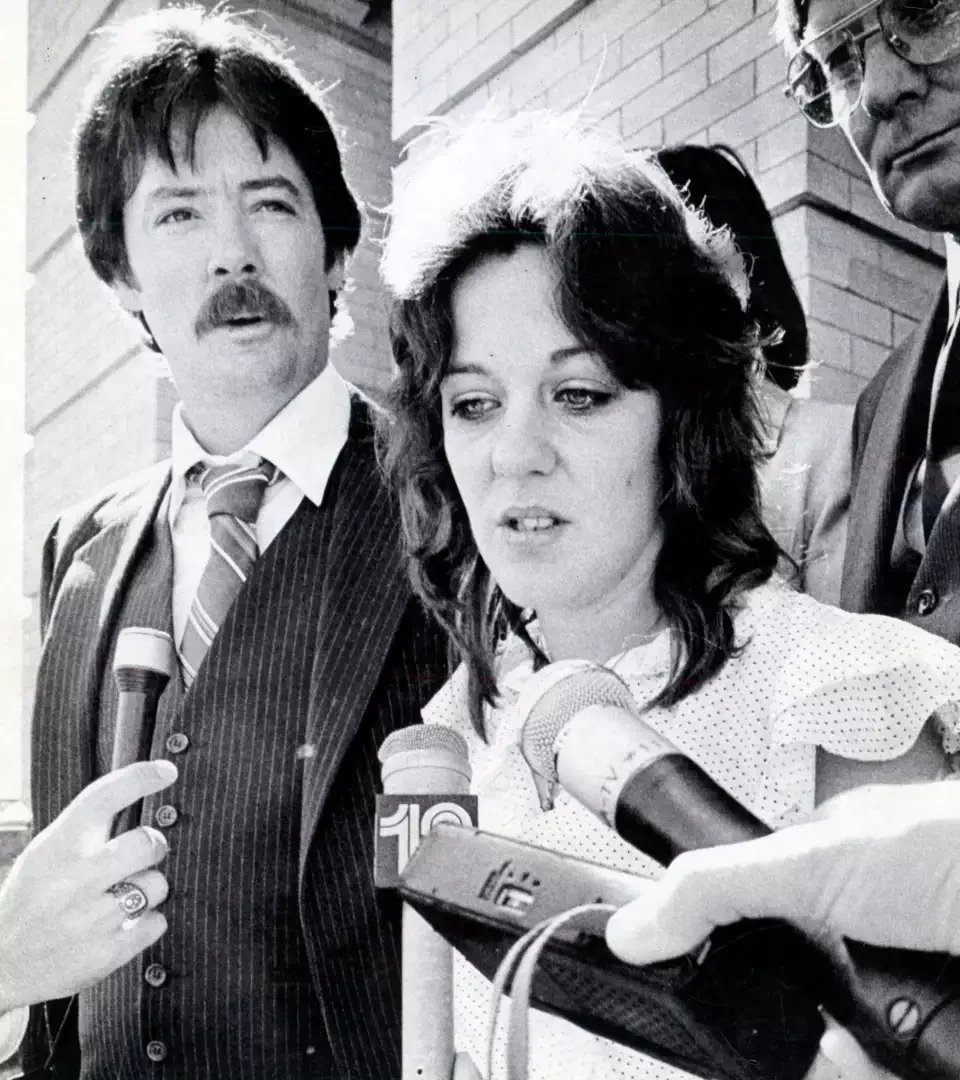
Reid and Petti McClellan
Source: San Antonio News
Meanwhile, all the ER visits from Kathy Holland's clinic were raising alarms among Kerrville's small medical community. Dr. Duan Packard, the dean of the Kerrville medical community and Misty Reichenau's doctor, was particularly suspicious. Dr. Packard earned his medical degree in 1939. While he lacked Dr. Holland's knowledge of modern medical techniques, he possessed a wealth of experience accumulated over decades. In all his years of practice, he had never encountered a patient who suffered a cardiac arrest, so he found it alarming that the children arriving at the hospital from her office were always intubated and required IVs. Dr. Holland routinely placed her patients on powerful antibiotics and medications before confirming the cause of their issues, and she frequently ordered invasive procedures such as spinal taps and bladder taps. On September 22, a small group of concerned individuals gathered to discuss ongoing issues at the clinic and agreed that Kathleen Holland needed to be brought in for further scrutiny.
On September 23, Rolinda Ruff, who was five months old, was brought to the clinic due to diarrhea that had persisted for the past thirteen days. At the same time, Chris Parker returned to the clinic suffering from both diarrhea and an ear infection. Although Chris seemed sicker than Rolinda, Genene decided to see Rolinda first. After examining Rolinda, Dr. Holland informed her mother that the baby was dehydrated and recommended starting an IV to administer fluids before transferring her to Sid Peterson Hospital for further tests. Genene handed Dr. Holland a syringe, and as soon as the doctor injected Rolinda, the baby stopped breathing. Mrs. Ruff later mentioned that no one at the clinic had documented her daughter’s medical history. Upon Rolinda's arrival at Sid Peterson, an anesthesiologist named Dr. Bradley observed that it appeared the child was recovering from Anectine. "The child looked like she was trying to reach up, but she just seemed unable to do so. Her movements were jerky and uncontrolled, displaying a purpose, yet she could not accomplish that purpose," he noted. Dr. Packard learned of Dr. Bradley’s observations, prompting an emergency meeting to be convened quickly.
Meanwhile, another emergency unfolded in the Sid Peterson emergency room. After Rolinda's cardiac arrest, Genene instructed Chris Parker's mother, who was still at the clinic, to bring him to the hospital. An hour later, Genene arrived in the ER waiting room, took Chris back, and placed him on a bed that was being prepared for a cardiac patient arriving by ambulance. A nurse approached Genene and asked her to move Chris. Genene remarked, “I hope this baby doesn’t go into cardiac arrest.” She then relocated Chris to another area and began drawing blood for tests. A few minutes later, she called a code and shouted that Chris had gone into cardiac arrest. Dr. Holland rushed down from the ICU, where she had been tending to Rolinda, and ordered two different medications. The nurses administered the injections, and Chris appeared to stabilize. However, a half-filled syringe was noticed on his bed. When Dr. Holland inquired, Genene and the other nurses exchanged uncertain glances. Dr. Holland then squirted out the clear liquid from the syringe and discarded it.
That afternoon, Dr. Packard spoke with Dr. Joe Vinas about the situation at Kathleen Holland's clinic. Dr. Vinas, who had completed his residency at Bexar County Hospital, was familiar with people who had worked with Holland. He agreed to look into her background further. Later that evening, Vinas called a surgery resident at Bexar County to discuss what was happening in Kerrville. The resident mentioned that there had been several unexplained deaths in the pediatric ICU in San Antonio and noted that a particular nurse seemed to be at the center of the issue. When Vinas asked if the nurse was Genene Jones, the resident indicated he would check and call back. Just five minutes later, the phone rang. "You've got a baby killer on your hands," the resident said.
On September 24, Kathy Holland was questioned by a group of staff members at Sid Peterson. They had a troubling suspicion that children in Dr. Holland's care were receiving succinylcholine, a powerful muscle relaxant sold under the brand name Anectine. The staff began by gently asking Dr. Holland why so many children were becoming ill in her office. She said she shared their concerns and was open to advice, but insisted she was unaware of any issues. When the doctors asked whether she had ever used succinylcholine, Holland replied that she had used it only during her residency and that she had some in her office. After she met with the executive committee, Holland returned to the clinic, where Genene asked her what had happened. Dr. Holland informed Genene that the doctors were questioning her treatment approach and had specifically inquired about succinylcholine. Genene appeared distressed and claimed that someone was spreading rumors. On September 26, Holland returned to the rental home after spending the weekend away with her husband when Genene approached her. She explained that she had found a bottle of succinylcholine in the exam table drawer, with the safety cap removed. However, she noted that when she compared this bottle to a brand-new one she had ordered, both appeared completely full. Holland found it odd that Genene would mention succinylcholine right after the committee had just questioned her about it.
On September 27, Holland personally inspected the bottle of succinylcholine. Although it appeared full, as Genene had stated, there were large, noticeable needle holes in the top of the rubber stopper. Earlier that afternoon, Genene had been visiting Chelsea McClellan's grave. Petti had seen Genene wailing Chelsea's name and sobbing at the foot of the grave before observing her take a pink bow from the collection of memorial items left behind. When Genene returned to the clinic, Holland questioned her about the holes in the bottle. Genene referred to the day of Misty's seizure when Debbie Sultenfuss had brought in a bottle of Anectine. Still, that explanation did not address the holes, since neither Dr. Holland nor Debbie had used it. Genene then suggested they shouldn't explain the holes to the committee and instead dispose of the bottle. Around 4:15 pm, Genene told Holland that she had taken a handful of doxepin pills during her lunch break and was feeling woozy. Doxepin is an antidepressant that she had been prescribed to treat her ulcers. Concerned for her well-being, Holland insisted that she go to the hospital, where they pumped her stomach. Later, Genene admitted to only taking four 50-milligram pills, an amount that would not have harmed her. She said she had initially planned to take more, but ultimately decided at the last minute to confront her problems directly.
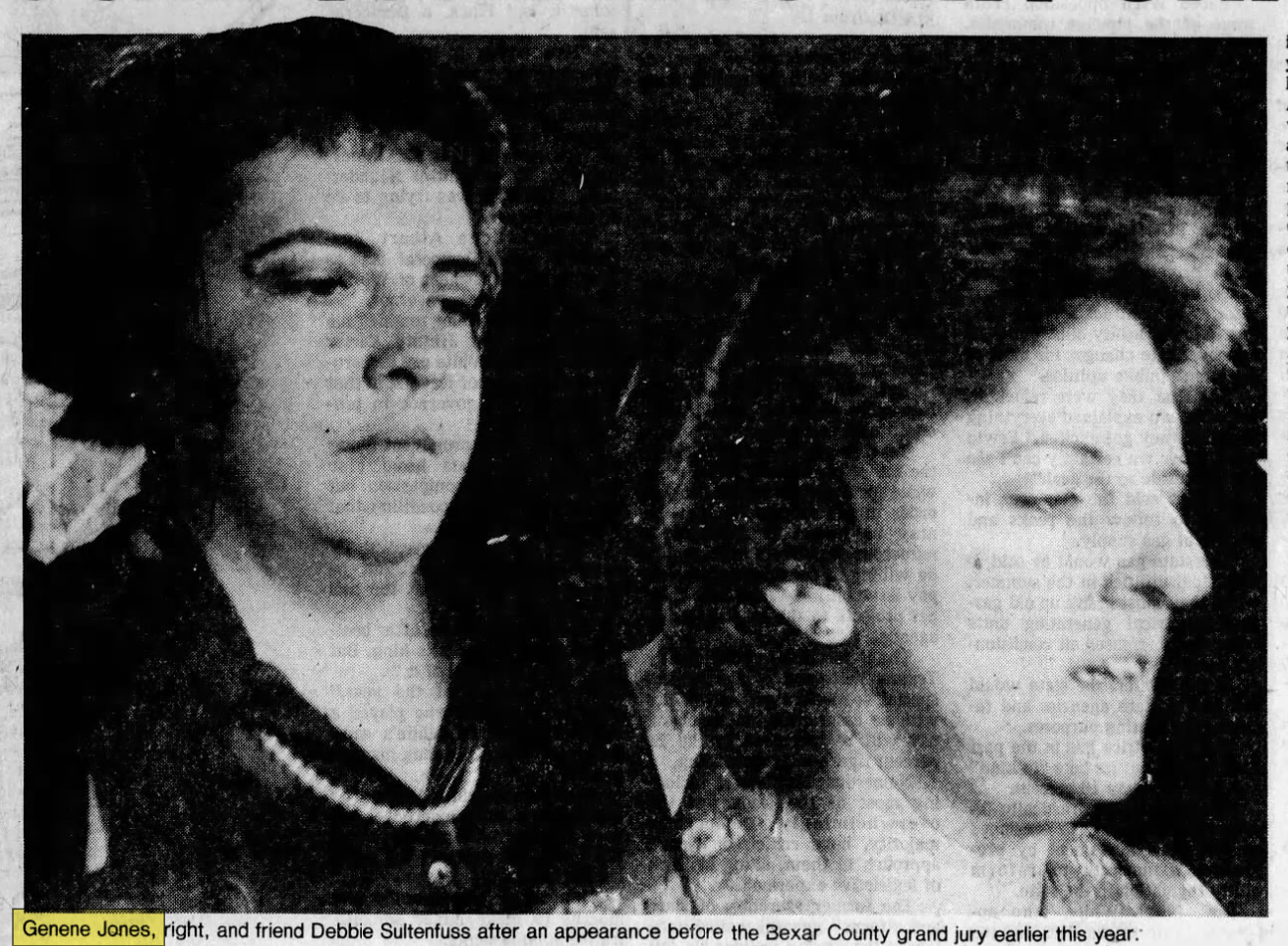
Genene Jones and Debbie Sultenfuss
Source: San Antonio Light
Later that night, Holland showed Dr. Vinas the bottle of succinylcholine and remarked that although the vial was full, it had holes in the top. Vinas contacted anesthesiologist Frank Bradley, the same physician who had observed Rolinda Ruff in the emergency room, to ask further questions about succinylcholine. Bradley explained that at low doses, the muscle relaxant could make it appear as if children were having seizures, as they might twitch while the drug took effect and as it wore off.
Hospital administrator Tony Hall contacted Texas Ranger Joe Davis to begin an official criminal investigation. He interviewed Genene after she was released from the hospital on September 28 for her drug "overdose". When Davis asked her about the children experiencing seizures in Holland's clinic, Genene stated that the episodes were common and that the nurses at Sid Peterson’s hospital were not very knowledgeable about pediatrics. She also denied using Anectine and offered to take a polygraph test to prove her innocence if Holland would do the same. The next morning, when Genene arrived for her shift at the clinic, Holland informed her that it would be best for both of them if she no longer worked there.
Investigation
On September 29, Genene Jones and Kathleen Holland went to Austin for a polygraph test, which both of them failed. The same day, Dr. Holland was notified that her hospital privileges had been suspended. Following this, Holland severed all ties with Genene, although Genene continued to attempt contact by letter and phone. Feeling desperate for advice, Genene reached out to William Chenault, the lawyer who had handled her divorce from Jimmy eight years earlier. Chenault, unfamiliar with criminal law, advised Genene that her best course of action would be to leave Texas. Instead, she decided to move to San Angelo with Debbie Sultenfuss based on receiving a longstanding invitation from the parents of Chris Hogeda, her first victim. The Texas Board of Vocational Nurse Examiners received the renewal fees for Genene's license on November 29, 1982. She had been practicing nursing without a valid license required by state law throughout her employment with Dr. Holland.
In early October 1982, District Attorney Ron Sutton convened a grand jury in Kerr County to investigate the deaths of children who may have died while under the care of Genene Jones. Meetings continued for more than three months, during which they discovered that similar incidents involving Genene Jones had occurred in San Antonio. In January 1983, District Attorney Sam Millsap launched an investigation in Bexar County. On February 16, a San Antonio TV station reported that the grand jury was looking into the deaths of twelve infants. The story gained national attention when Millsap publicly announced on February 23 that he was investigating the possibility of multiple infant homicides. Both Sutton and Millsap worked diligently on the case. Although they had a wealth of information, they lacked substantial evidence of misconduct.
Genene had not yet been charged with any wrongdoing and maintained a low profile as the media cast a negative spotlight on her. After news broke that babies were being murdered, headlines reported the number of victims ranging from 12 to over 60. Genene and Debbie Sultenfuss were employed at the Park Plaza Nursing Home in San Angelo. On April 24, Genene, who was 32, married Garron Ray Turk, a 19-year-old nursing aide whom she was training. Garron believed in Genene's innocence. Around this time, investigators working on the case learned about a new test developed by Swedish doctor Bo Holmstedt that could detect succinylcholine in embalmed tissue.
On May 7, Chelsea McClellan's body was exhumed to obtain tissue samples, which were sent to Dr. Holmstedt's lab in Stockholm. On May 18, investigators learned that succinylcholine was present in Chelsea's system. On May 25, Genene was arrested in Odessa at the home of her husband, Garron's, relatives, who were in town for Garron's high school graduation. She was indicted for the murder of Chelsea McClellan. She faced charges of injury to a child for Chelsea McClellan, Brandy Benites, Chris Parker, Jimmy Pearson, Misty Reichenau, Jacob Evans, and Rolinda Ruff. All eight indictments allege that the nurse “intentionally and knowingly” injured the children by injecting them with succinylcholine or another drug. Genene pleaded not guilty to all eight charges, as expected, and her bond was set at $225,000. Genene's mother, Gladys Jones, who was 72 and in failing health, posted bail for her daughter.
Trial
A change of venue from Kerrville was requested by Genene's defense counsel due to the sensationalized nature of the case. The trial was moved to Georgetown, where Genene was found guilty of the murder of Chelsea McClellan on February 16, 1984, after the jury deliberated for four hours. In May, she was sentenced to 99 years in prison. Prosecutors later indicted Genene for the attempted murder of six additional children. Investigations conducted by the Centers for Disease Control and Prevention revealed that during a shift when Jones was working, a child was 25.5 times more likely to experience a medical emergency and 10.7 times more likely to die. In June 1984, she was convicted of the attempted murder of Rolando Santos, whom she had given injections of heparin on at least three occasions between December 1981 and January 1982. She received a sentence of 60 years in prison and was incarcerated at the Dr. Lane Murray Unit in Gatesville, Texas.
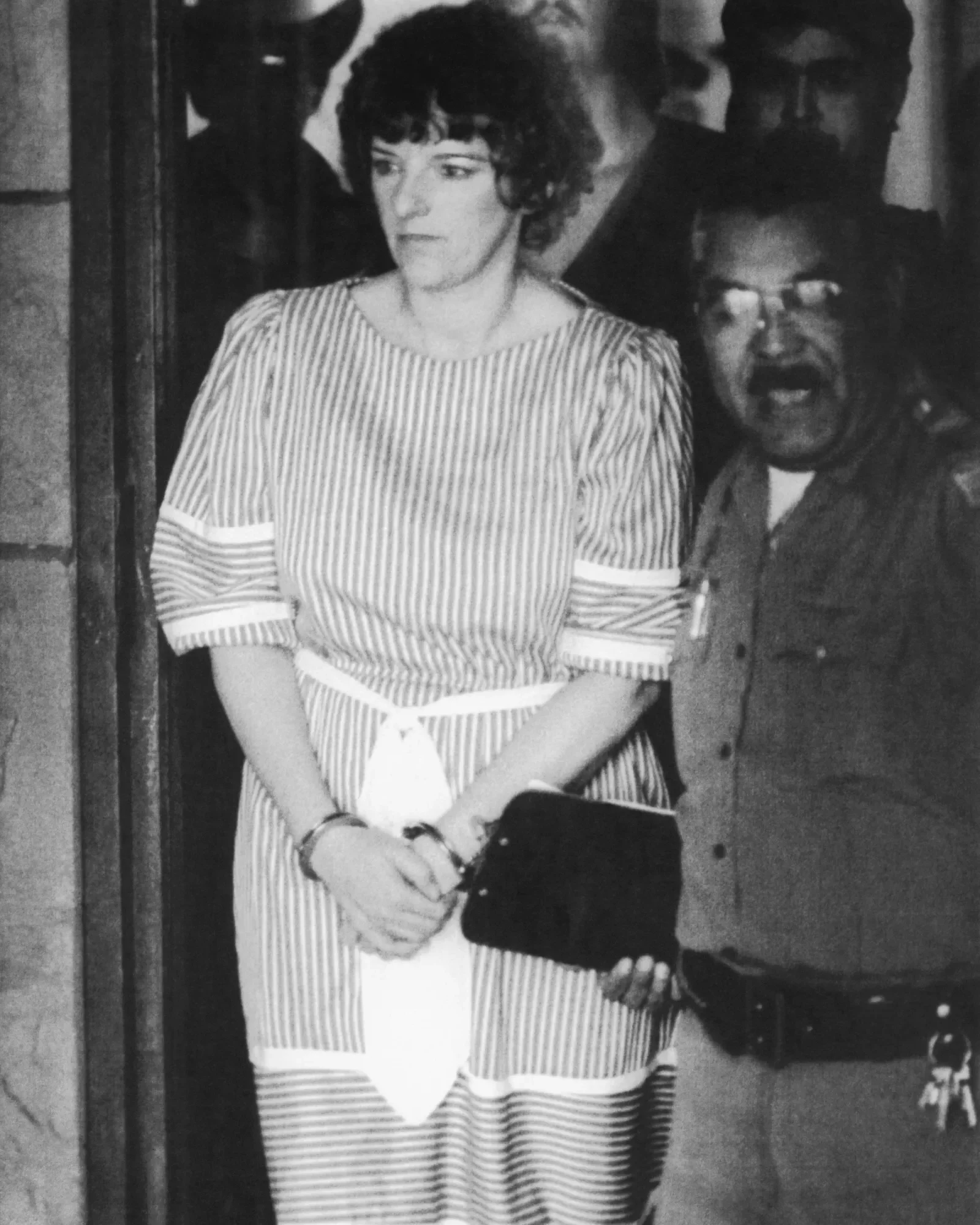
Genene Jones
Source: ProPublica
Genene had maintained her innocence until a parole hearing in October 1998, where she admitted “I really did kill those babies”. In a letter to the Texas Board of Pardons and Paroles in 2011, Jones reiterated her confession, stating that what she had done was "heinous." She explained that the only rationale she could find for her crimes was that she had not been of sound mind before 1994, when she believed she discovered "God's wisdom." Author Peter Elkind, who spoke with Jones on several occasions, noted in 2011 that when he visited her in prison in 1987, she not only denied the crimes but also firmly asserted that she did not suffer from any mental health disorders. At that time, she had conflicting religious beliefs, having switched a cross for a Star of David tattoo on her chest, and she reported that she was converting to Judaism.
In 2013, Genene made headlines once again. An amendment to Texas law called Mandatory Supervision in 1977, due to prison overcrowding, allowed all convicted criminals to be automatically released on parole after they complete a certain amount of calendar time and good conduct time, which sparked public outrage. In response, District Attorney Nico LaHood established a task force in 2015 to reinvestigate cold cases and prevent Genene from being released. In June 2017, Genene was indicted for the murders of Joshua Sawyer, Rosemary Vega, Richard Nelson, Patrick Zavala, and Paul Edward Villareal. Patti and Reid McClellan personally campaigned against her release. During an interview with Anderson Cooper on CNN in August 2013, Patti stated that Genene would "do it again" and urged families whose babies had died or experienced unusual crises at San Antonio's PICU to testify and help build cases against her. Genene entered a not guilty plea, and in June 2018, Judge Andrew Carruthers ordered her to undergo a psychological evaluation to determine if she was fit to stand trial. Her public defender, Cornelius Cox, argued that the long time frame made it difficult for her to "put the puzzle together," though he did not comment on whether she was delusional.
In February 2019, mental health professionals determined that Genene was competent to stand trial and understood reality, despite her claims of diminished capacity due to recent strokes. However, Judge Carruthers granted the defense's request for another evaluation by different doctors. Genene later revoked her insanity defense and chose not to attend a competency hearing in September 2019, which allowed the trial to proceed against her. In January 2020, the prosecution announced that a tentative plea deal had been reached with Genene, who sought to avoid a trial by jury and wanted her seized belongings, including her Bible, returned to her. Genene pleaded guilty to one count—the murder of Joshua Sawyer—and was sentenced to life imprisonment. On January 16, 2020, Genene was taken into court in a wheelchair and, with assistance, stood before Judge Castro. Relatives of the victims, including the mother of Rosemary Vega and a sister of Paul Villareal, were allowed to deliver victim impact statements. Both women described Genene as "evil" and "cold-blooded." Connie Weeks, the mother of victim Joshua Sawyer, read a statement in court expressing her wish for Genene to "live a long and miserable life behind bars." Judge Castro sentenced Genene to life in prison with no chance of parole for 20 years. She received credit for two years served while awaiting trial, making her eligible for parole when she is 87 years old.
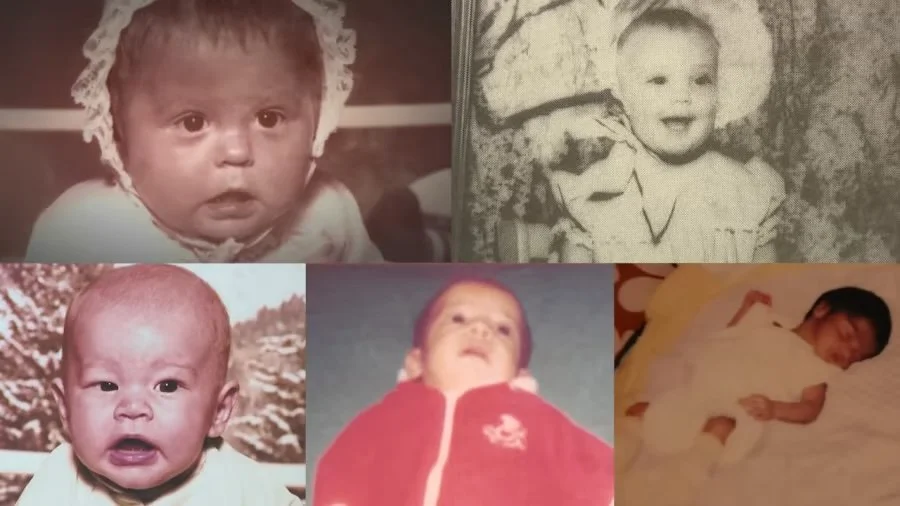
Genene Jones victims
Source: KSAT
Where now
Kathleen Holland and Charleigh divorced on December 30, 1982, just a few months after their marriage, in an attempt to protect Charleigh’s assets from creditors. Despite facing lawsuits from the parents of Chelsi McClellan, Misty Reichenau, and Jacob Evans, a number of patients continued to visit Dr. Holland. They insisted that if anything had happened to their child, Dr. Holland was not responsible. Rather than leaving town, Dr. Holland closed her clinic, unable to keep it open due to financial difficulties, and began operating out of the rental house where she and Genene had lived. In 2014, Dr. Holland retired from medicine and started working with a local biological manufacturing company, eventually taking on the roles of QA Director, Science Officer, and R&D Scientist. She left the organization in 2022 to pursue a consulting career as a certified lead auditor for Cardinal Biologicals, Inc. In the same year, she was appointed Executive Director of U.S. Operations for a ministry in Cameroon, Africa, called 'Bread for Life,' where she coordinated missionary team activities and oversaw international accounting procedures.
As of 2026, the Texas Department of Criminal Justice reports that Genene Jones continues to serve her sentence at Murray Prison in Gatesville, Texas. The Texas Board of Nursing officially revoked her nursing license on June 10, 2011. Genene Jones’s crimes followed a pattern often seen in healthcare serial killers: she targeted the sickest and most vulnerable patients, created or exacerbated medical emergencies, and inserted herself into the chaos. Witnesses often described how she was drawn to code blues, predicted which children would die, and involved herself in resuscitation efforts even when the patient was not assigned to her.
Experts have suggested that her behavior indicated a mix of narcissism, a need for attention, and traits associated with Munchausen syndrome by proxy or factitious disorder imposed on another. In these cases, a caregiver creates illness in others to gain sympathy, admiration, or a sense of importance. Unlike killers motivated by money or revenge, healthcare offenders exploit the trust placed in nurses and doctors, using their medical knowledge and unrestricted access to vulnerable patients to avoid suspicion. In Genene's case, the attention and praise she received during emergencies, along with the power she wielded over life-and-death situations, may have become more fulfilling than her nursing profession itself. Her story serves as a disturbing reminder that while most nurses dedicate their lives to healing, a small number of offenders have abused their positions of trust to satisfy deep psychological needs, often hiding behind the very role that should have protected their victims.
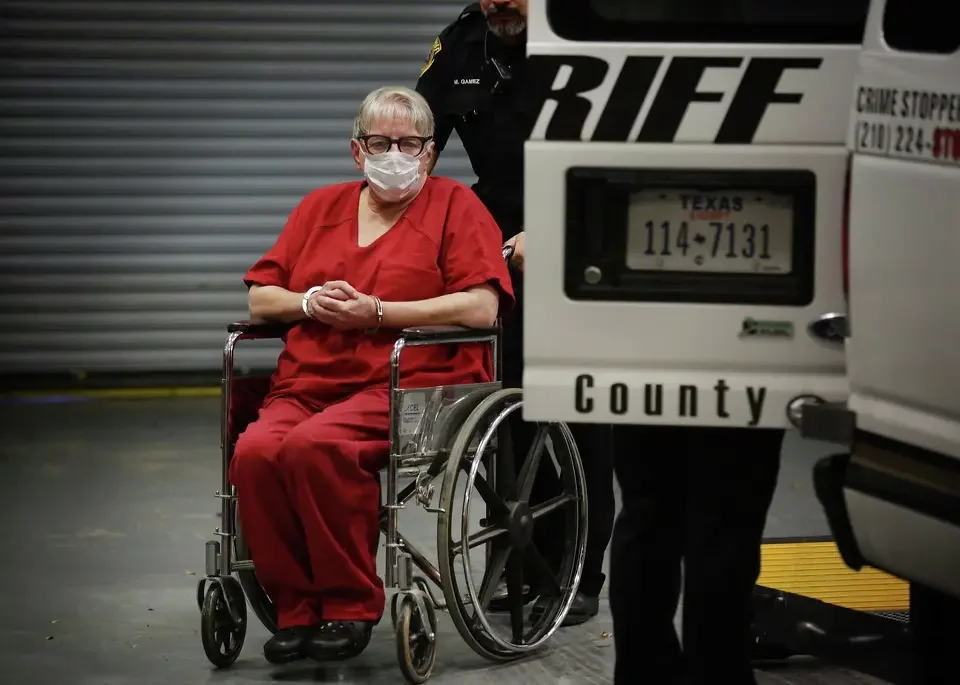
Genene Jones
Source: San Antonio News Express
Cases involving healthcare serial killers are notoriously difficult to investigate. Hospitals are environments where patients are already critically ill, and death is often an expected outcome. When a patient suffers a sudden decline, doctors and nurses typically search for medical explanations before considering the possibility of foul play. Complex illnesses, multiple medications, and the involvement of numerous healthcare workers can make it extremely difficult to determine whether a death was natural, accidental, or intentionally caused. In many cases, the drugs used to harm patients either mimic natural medical emergencies or leave little evidence behind. Investigators must also overcome an additional obstacle: the public's deep trust in healthcare professionals. The idea that a nurse or doctor could deliberately harm a patient is so disturbing that suspicions are often dismissed as impossible or attributed to coincidence, bad luck, or workplace gossip. By the time patterns become impossible to ignore, valuable evidence may have been lost and countless opportunities to intervene have already passed.
"Something [has] to be said. You took God's most precious gift, babies. Defenseless, innocent (babies). Admitting (guilt) doesn't come close to what you did to these families and the tragedies that you caused. I'm going to follow this agreement here that you agreed (to) with your attorney and the state. But I truly believe that your ultimate judgment is in the next life."
— Judge Frank J. Castro
Source: Bob Thomas/UPI PHOTO
Sources
Elkind, Peter. The Death Shift: The True Story of Nurse Genene Jones and The Texas Baby Murders. Penguin Group, 1983
Moore, Kelly, and Dan Reed. Deadly Medicine. St. Martin’s Press, 1988.
https://en.wikipedia.org/wiki/Genene_Jones
https://www.propublica.org/article/genene-jones-i-really-did-kill-those-babies
https://www.propublica.org/article/suspected-texas-serial-killer-charged-with-death-of-second-baby
https://www.texasmonthly.com/true-crime/the-death-shift-2/
https://abcnews.com/US/nurse-suspected-killing-46-kids-prison/story?id=19852141
https://edition.cnn.com/videos/bestoftv/2013/08/21/ac-petti-mclellan-intv.cnn